Blended Learning
Welcome to our webpage dedicated to maritime safety training! As senior educational experts in the field, we
are excited to introduce you to the concept of blended learning and explain how it revolutionizes
traditional training methods, offering significant advantages for learners in the maritime industry.
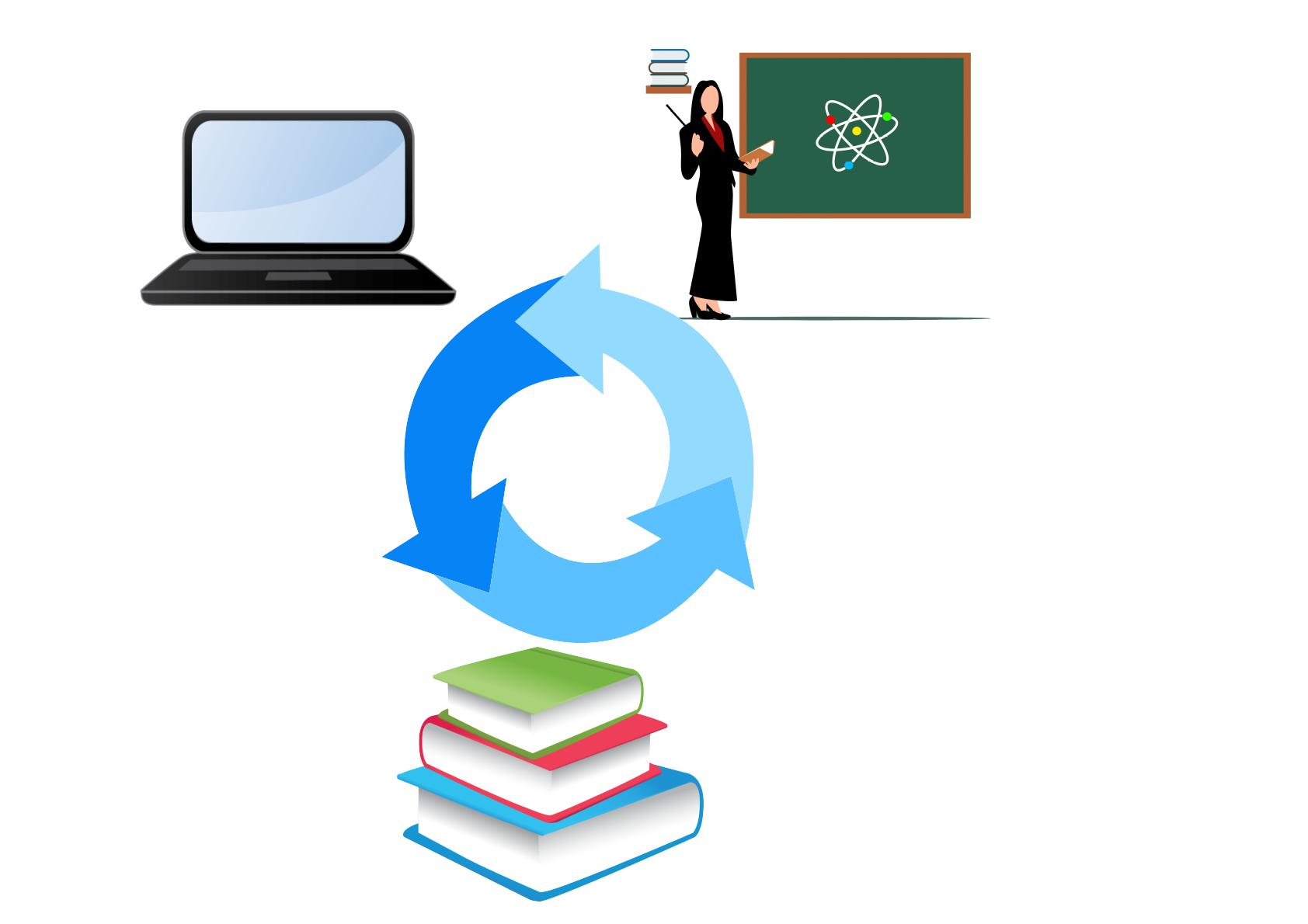
Blended learning is an innovative approach that combines the best aspects of traditional classroom learning
with the flexibility and accessibility of online education. It seamlessly integrates face-to-face
instruction with digital resources and interactive online platforms, creating a comprehensive and dynamic
learning experience.
One of the key advantages of blended learning is its ability to cater to the diverse needs of learners. By
combining both online and offline components, learners can benefit from the interactive and engaging nature
of online modules while still having access to real-time guidance and support from experienced instructors
during face-to-face sessions. This approach allows learners to work at their own pace, reinforcing their
understanding of critical maritime safety concepts and skills.
Now, let's dive into the advantages of blended learning when compared to the conventional classroom
approach:
Flexibility and Convenience: Blended learning eliminates the constraints of time and location.
Learners can
access digital resources and complete online modules at their convenience, allowing them to balance their
training with work commitments. This flexibility ensures that maritime professionals can undergo training
without disrupting their operational schedules.
Individualized Learning: Blended learning caters to the unique learning styles and needs of
each individual.
Learners can progress through the material at their own pace, reviewing complex topics or moving ahead based
on their proficiency level. This personalized approach fosters a deeper understanding of maritime safety
practices and enhances overall competence.
Enhanced Engagement: The integration of interactive multimedia elements, such as videos,
simulations, and
quizzes, makes blended learning highly engaging. Learners can actively participate in their education,
reinforcing their knowledge through practical applications and interactive assessments. This active
engagement increases retention rates and boosts the effectiveness of the training program.
Cost and Time Efficiency: Blended learning optimizes the use of resources, reducing both
time and costs
associated with traditional classroom-based training. Learners can access online materials and complete
self-paced modules, minimizing travel expenses and eliminating the need for dedicated training facilities.
Additionally, the ability to repeat and revisit content online eliminates the need for repetitive classroom
sessions.
Now, let's explore the concept of flipped classroom, which is closely related to blended learning. In a
flipped classroom model, learners review instructional content, such as pre-recorded lectures or reading
materials, outside of the classroom. Classroom sessions then focus on discussions, problem-solving
activities, and hands-on exercises, allowing learners to apply their knowledge in a collaborative
environment under the guidance of instructors. This approach maximizes the effectiveness of face-to-face
interactions and promotes deeper understanding through active participation and application.
At Mayday Academy, we leverage the power of blended learning and the flipped classroom model to deliver
comprehensive maritime safety training. Our courses combine engaging online modules, interactive
simulations, and practical hands-on sessions, ensuring that learners acquire the knowledge and skills
required for safe operations at sea.
Join us on this transformative educational journey and experience the benefits of blended learning in
maritime safety training.